
How can we ease hospital visits?
Iteratively designing the hospital navigation robot "Buddy" to guide patients while providing comfort in stressful environments
Summary
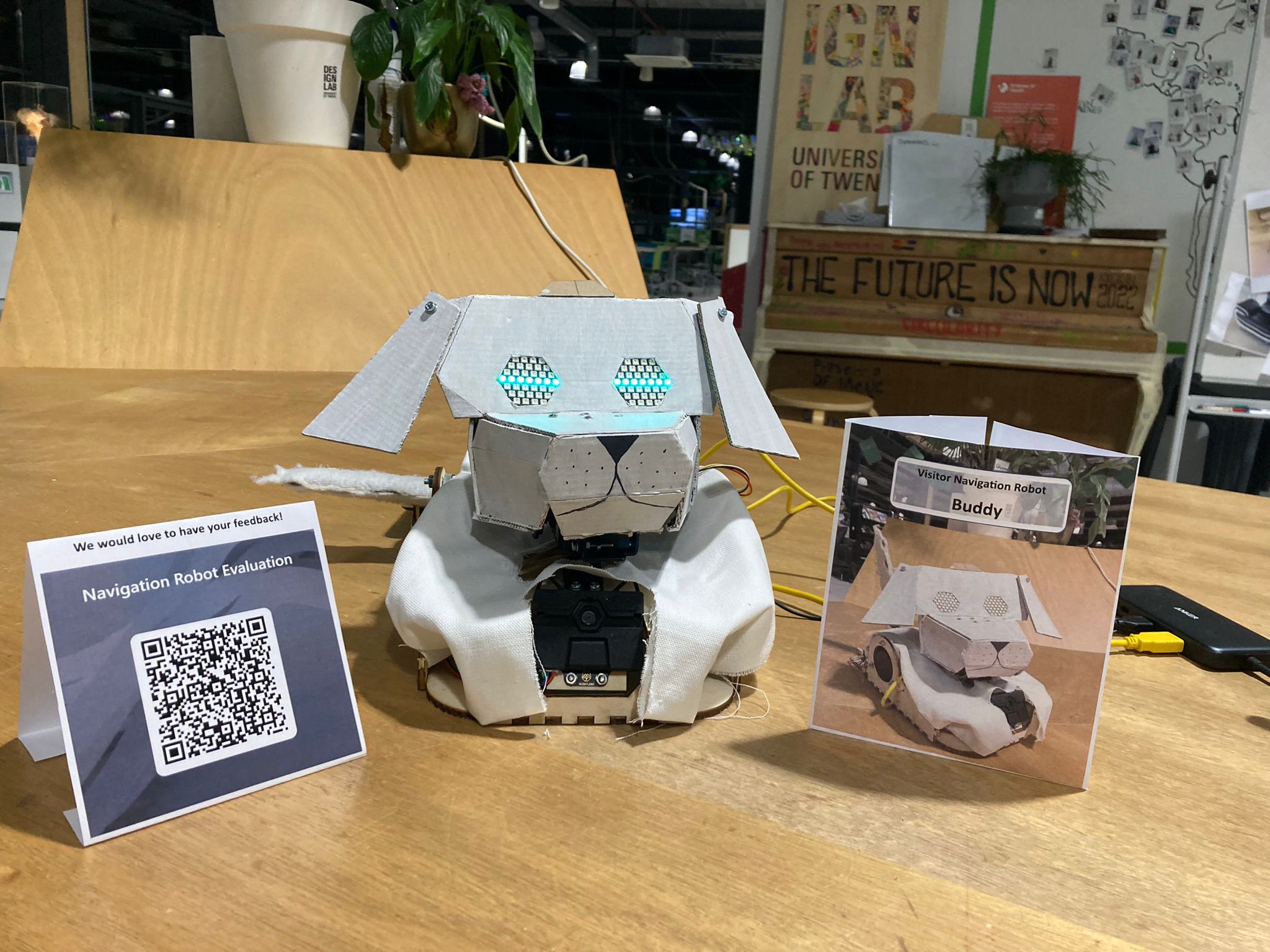
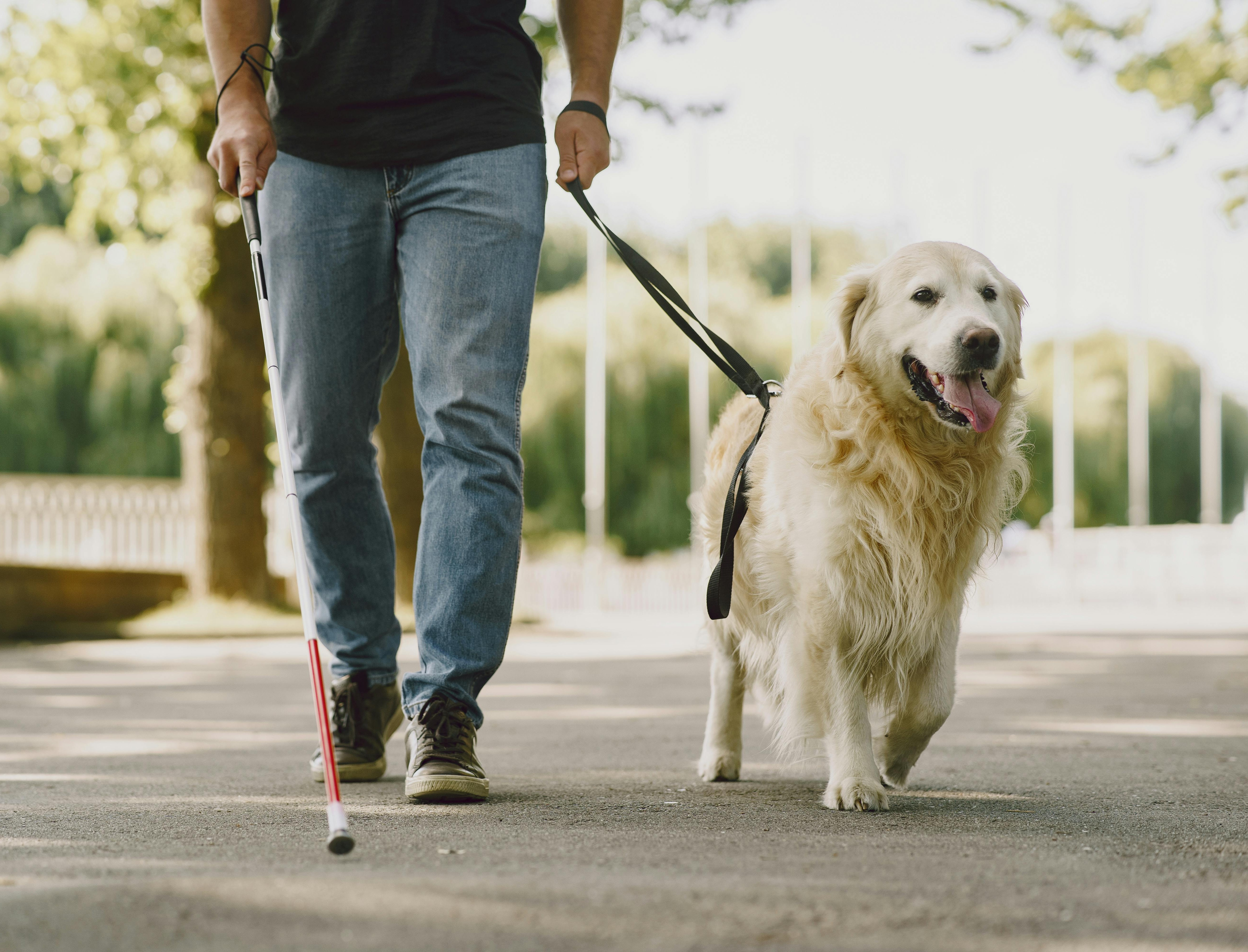
Hospital visits can be emotionally challenging and involve experiencing strong emotions. Through a rapid prototyping approach we developed a navigation robot that aims to improve individual wayfinding while reducing emotional stress through a zoomorphic dog-like appearance and interaction inspired by guide and therapy dogs.
Main methods: rapid prototyping
Individual Contribution
I was mostly responsible for the interaction design of the robot reaching from the interaction flow to the choice and design of modalities and appearance, animation of eyes and parts of the sound design.
experienced difficulties in navigating hospitals in a 1041 participant study. Troubled way finding is often caused by unclear signage or complex layouts and especially impacts older people or those with low education levels.
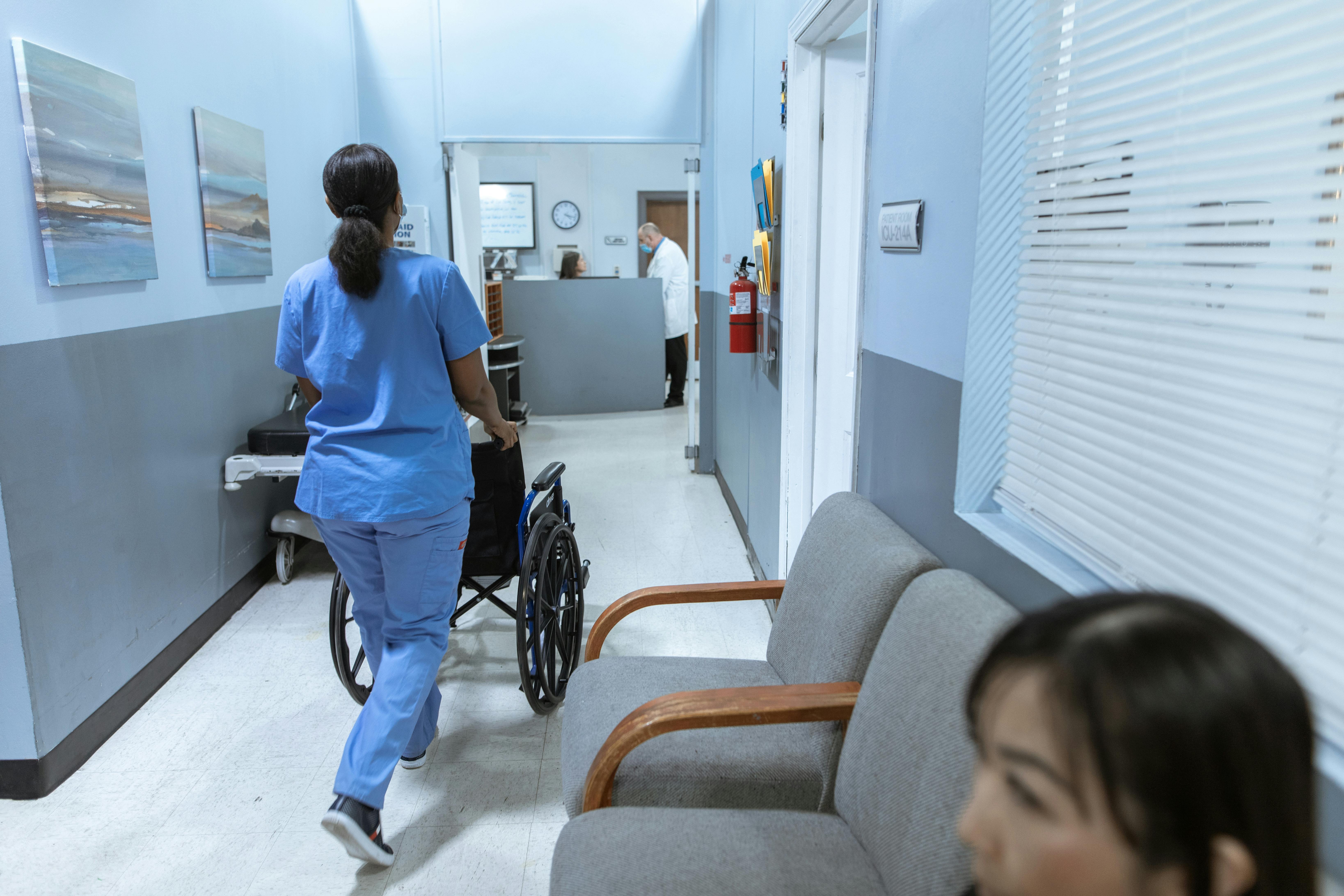
A study using a digital way finding solution in a hospital showed
83.3% of users
experienced reduced stress. For an accessible and individualized approach we decided to design a navigation robot. To provide additional emotional lightness we opted for a zoomorphic dog-like design which have been shown to have a positive emotional affect on patients.
The interaction flow follows a navigation scenario from start to finish including multiple exception scenarios. We decided for a voice interface using a microphone to receive the destination of the user. A camera tracks the position of the user in order to look attentively towards their face and to detect whether the user is lacking behind.
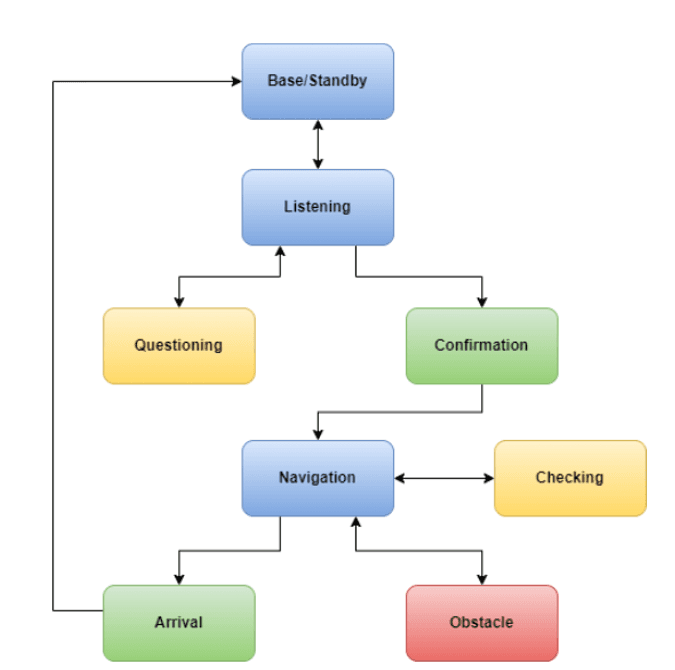
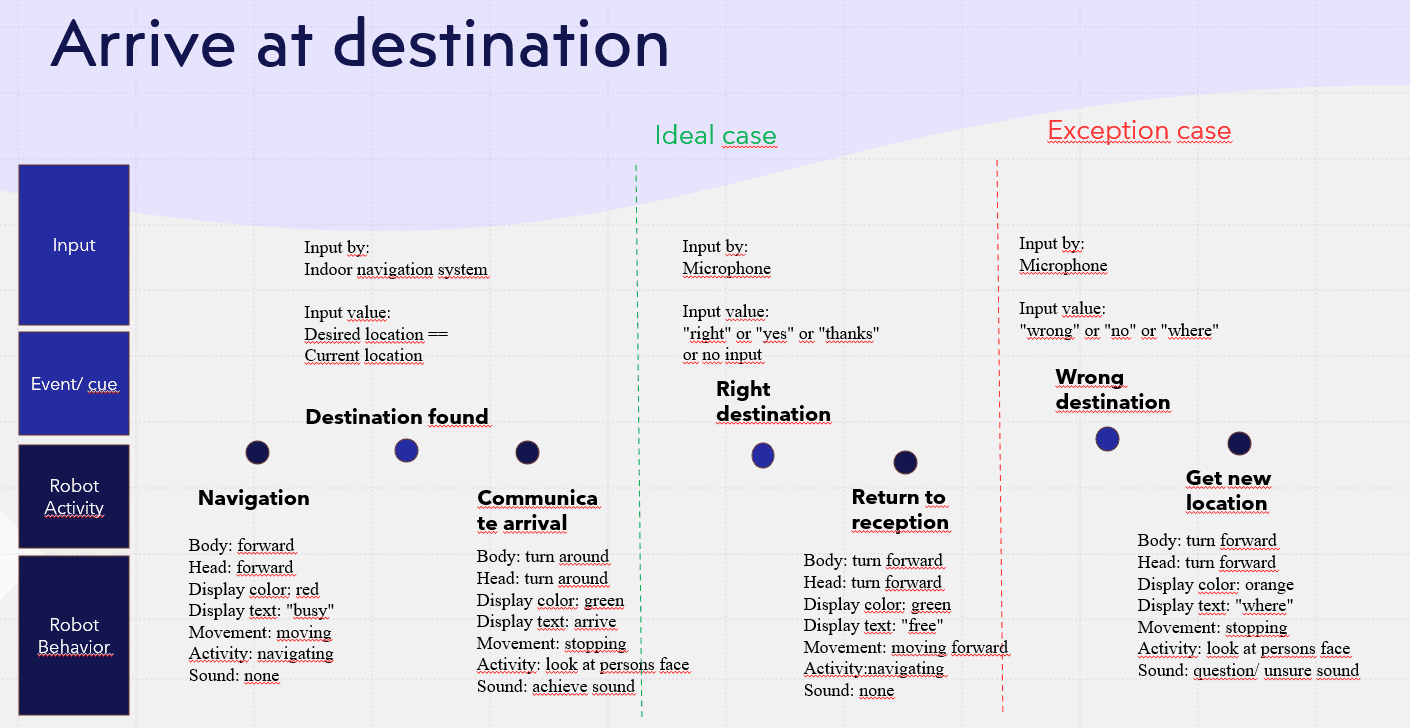
Each interaction is translated into a set of dog movements and sounds and is continuously refined through user feedback. Adding human expressions and color heuristics e.g. yellow colored eyes or a rising question tone aim to communicate the underlying emotion more clearly (in this case confusion).
Through rapid prototyping we gradually increased the fidelity and communication modalities of the robot.
Two motors allowed for front and side movements to allow tilting the head and looking backwards. A soft cover, light color and movable ears intent to appear friendly and approachable.
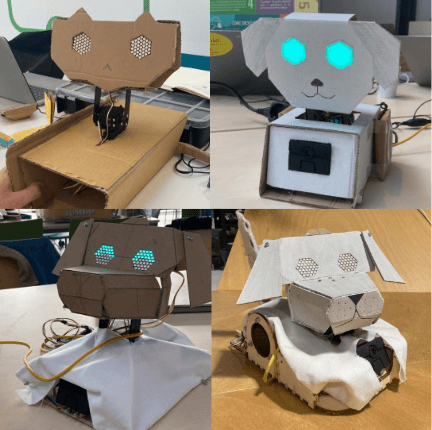
Modalities:
Eye color, shape, animation
Head movement
Tail Movement
Sound
Communication:
Microphone to understand users destination
Speakers to communicate sound together with movements and eyes
Camera to follow user movements and track whether they lack behind
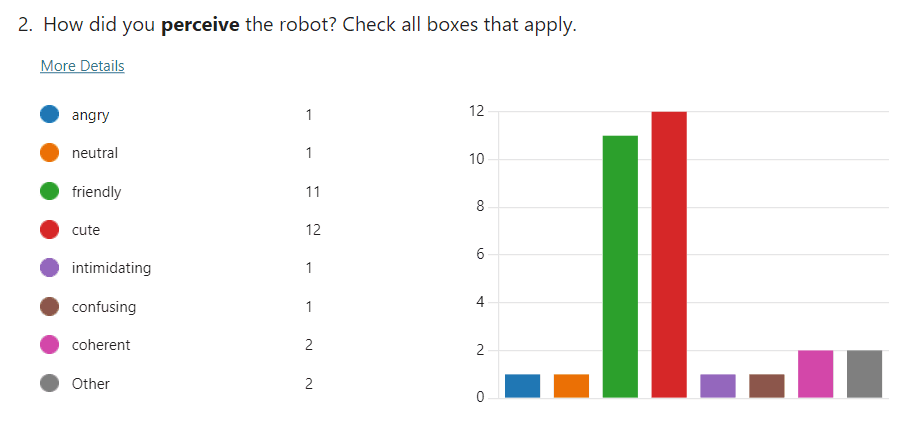
During the final demo day visitors were asked to interact with the robot to reach their destination. Directly after the experience the visitor filled in a short survey on how the robot was perceived.
The vast majority perceived the robot to be friendly and cute - as intended by the design. Only 1 out of 12 found the robot dog intimidating due to fast movements which could be further improved.
Reflection and Learnings
This project taught me not only many prototyping skills with Arduino, but also the value of constant feedback. As our target group includes all demographics it was valuable to show the prototype to any bypassing students, professors, friends and family to get diverse perspectives.
Additionally, understanding how to create a balance between a dog-like behavior and making the intention of the interaction universally understandable to humans was a very valuable experience only attainable through trial and error.